
Pain Management
Helping Your Dog or Cat Stay Comfortable and Active
Pain management at Glastonbury Veterinary Hospital keeps dogs and cats comfortable through surgery, injury, and chronic conditions.
Pain can quietly affect your pet’s happiness, mobility, and daily routine. Dogs and cats often hide discomfort, making early signs easy to miss. At Glastonbury Veterinary Hospital, we take a compassionate, practical approach to identifying and treating pain so your pet can feel like themselves again.
Recognizing Pain in Dogs
Dogs may show discomfort through:
- Limping or slowing down on walks
- Hesitating with stairs or jumping
- Restlessness, panting, or pacing
- Irritability or changes in behavior
Common causes include arthritis, injuries, dental pain, infections, or chronic conditions.
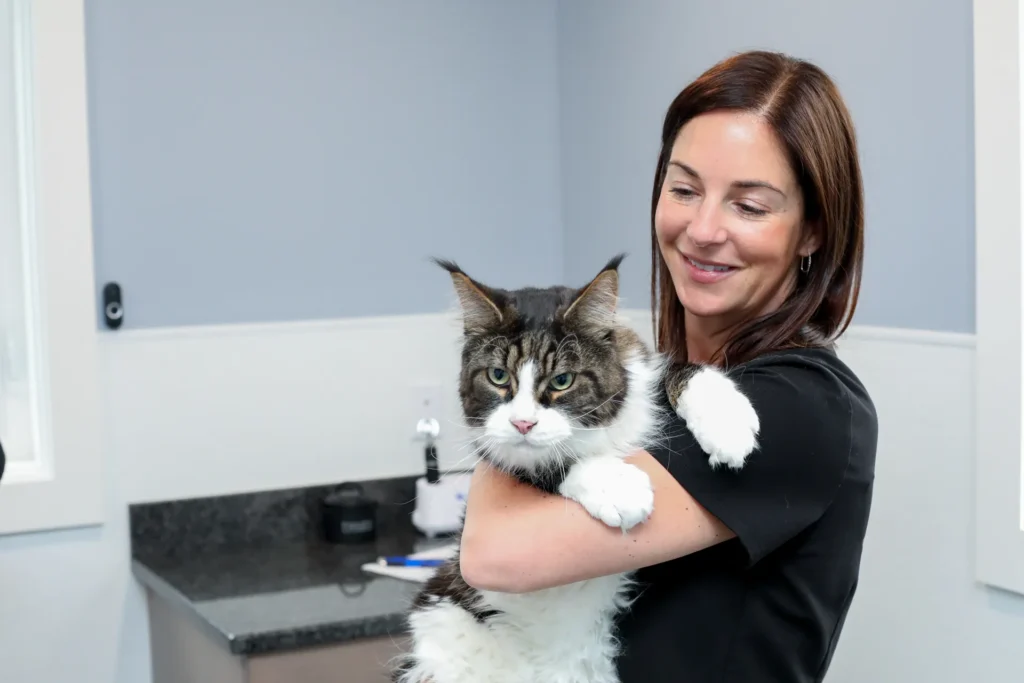
Recognizing Pain in Cats
Cats express pain differently and often more subtly:
- Jumping less or avoiding high places
- Grooming less (or overgrooming painful areas)
- Hiding more than usual
- Missing the litter box
- Becoming more vocal or withdrawn
Cats frequently develop age-related pain that can be hard to spot without careful observation.
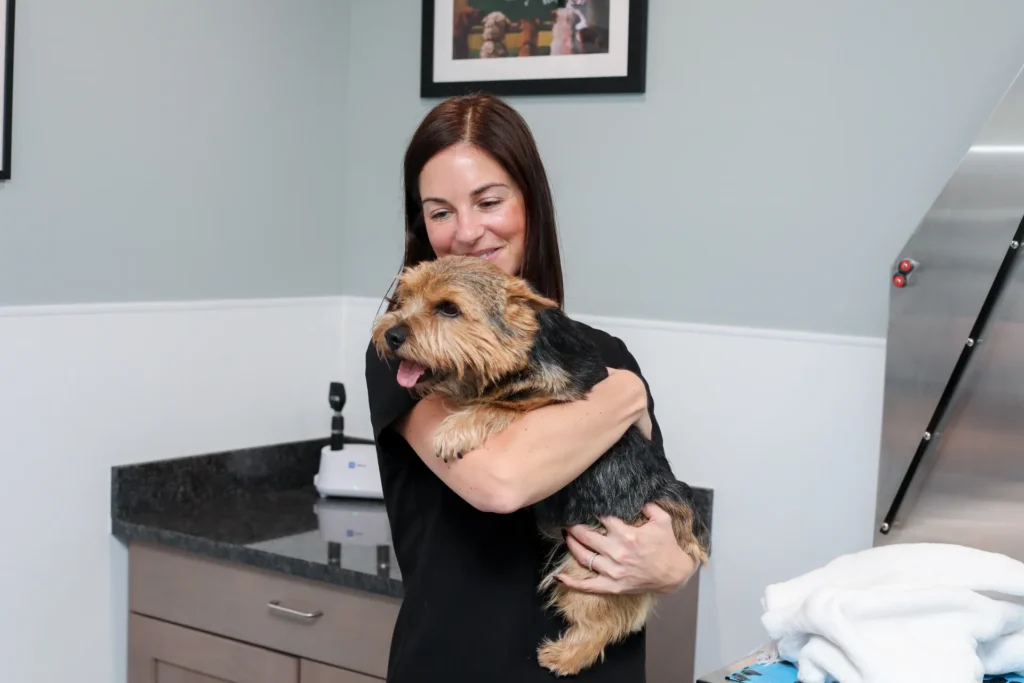
How We Help Manage Pain
Our approach focuses on effective steps tailored to your pet’s needs, such as:
- Safe pain-relief and anti-inflammatory medications
- Joint support and supplements
- Weight management for reduced strain
- Home adjustments to improve comfort
- Regular check-ins to monitor progress
We take the time to explain your pet’s care and create a clear and manageable plan that fits your family’s routine and is never overwhelming.
Pain Management in Glastonbury, CT: Your Questions Answered
Clear answers to the questions Glastonbury pet owners ask us most.
How can I tell if my dog or cat is in pain?
Signs include limping, restlessness, hiding, panting, reduced appetite, reluctance to jump or play, changes in posture, and licking one area. Cats often show pain by hiding or grooming less.
Can I give my pet human pain medication?
No. Common human pain relievers such as ibuprofen, naproxen, and acetaminophen can be very dangerous for dogs and cats. Always ask us first. The AVMA’s guide to pain management explains why.
What pain relief options are available?
We use pet-safe anti-inflammatories, other pain medications, joint supplements, weight management, and gentle exercise plans. Most plans combine several approaches.
How do you manage pain after surgery?
Pain relief starts before surgery and continues at home with medication and clear instructions. Learn more on our veterinary surgery page.
Do you help with long-term pain from arthritis?
Yes. See our arthritis management page. Families in Glastonbury, Manchester, and Rocky Hill can book a visit online.
Is pain management safe for older pets?
Yes, with the right monitoring. We choose medications carefully for senior pets and may recommend periodic blood work to check kidney and liver function during long-term treatment.
What are non-drug options for managing pain?
Weight management, controlled exercise, joint supplements, comfortable bedding, and home changes like ramps and rugs can all reduce pain. These work best alongside medication when needed.
How quickly will my pet feel better?
Many pets show improvement within a few days of starting a pain management plan. We will schedule a recheck to make sure your pet is comfortable and adjust the plan if needed.
Can cats take pain medication?
Yes, but cats are very sensitive to many drugs, and some medications that are safe for dogs are toxic to cats. We only use medications and doses that are appropriate for felines and monitor them closely.
A Better Quality of Life Starts With Comfort
Even small changes in comfort can make a big difference in your pet’s daily joy. Whether your pet is slowing down, acting differently, or has a known condition that causes discomfort, we’re here to help them feel better with thoughtful, personalized care.